A First for Türkiye’s Social Impact Ecosystem from Development and Investment Bank of Türkiye: Wheat-Price-Indexed Sukuk Issuance
Within the scope of its investment banking activities, Development and Investment Bank of Türkiye completed Türkiye’s first wheat-price-indexed sukuk (lease certificate) issuance with Tarfin, a digital agriculture platform operating in the agricultural supply chain and bringing technology together with the agricultural ecosystem.
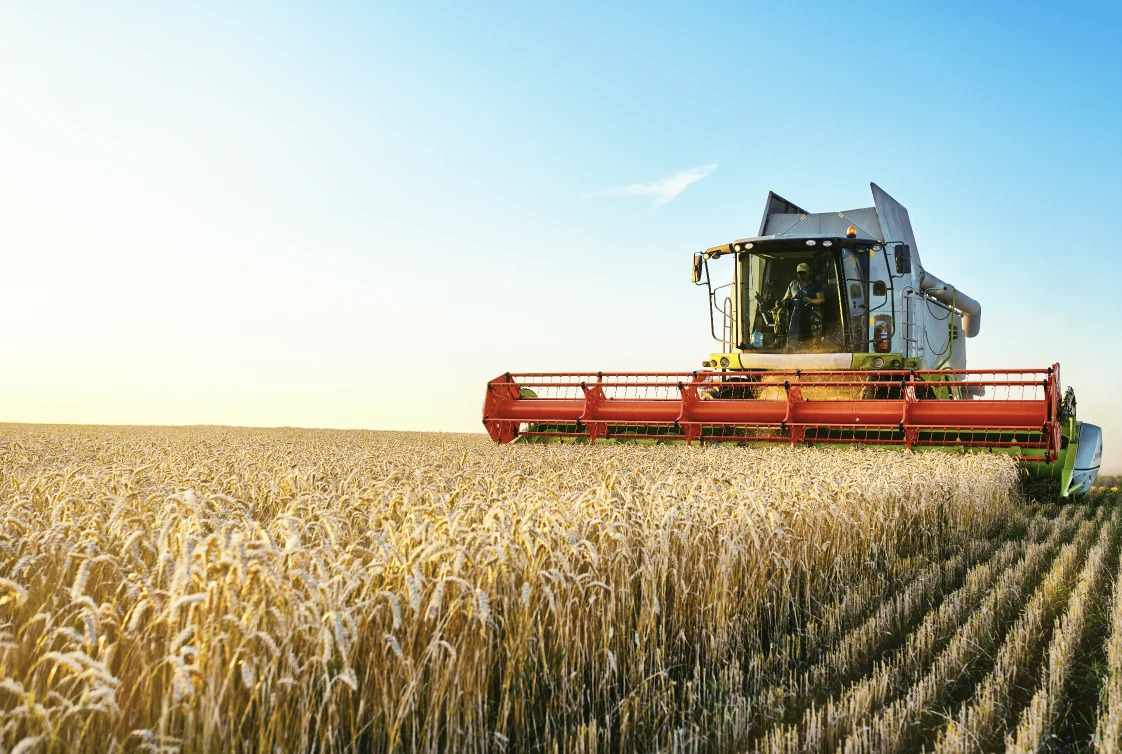
Continuing without slowing down to develop Türkiye’s Impact Finance Ecosystem in line with the country’s sustainable development objectives, Development and Investment Bank of Türkiye completed a wheat-price-indexed sukuk issuance together with Tarfin, for which it acted as financial adviser. The TRY 30 million issuance, with Kalkınma Yatırım Asset Leasing Company acting as issuer, was completed through Vakıf Katılım as sales intermediary. The issuance, for which İSFA served as the advisory committee, is the first of its kind in Türkiye due to its return model indexed to wheat prices.
A First for Türkiye’s Social Impact Ecosystem from Development and Investment Bank of Türkiye: Wheat-Price-Indexed Sukuk Issuance
Stating that the sukuk issuance represented significant cooperation for the agricultural sector, TKYB CEO İbrahim Öztop said: “Agriculture and food, like energy, are among our priority sectors. As the world’s population grows rapidly, our country’s population is expected to reach 105 million by 2050. For this reason, encouraging agricultural production and providing investors with financial advice and support are highly important to us. In addition to Tarfin, we previously completed debt-instrument issuances for various companies operating in the agriculture and food sectors, including Altınmarka Gıda, Tarım Kredi Holding, CarrefourSA, Tarım Kredi Tedarik and Tiryaki Agro. We have now broken new ground in our country once again by completing a wheat-price-indexed sukuk issuance with the digital agriculture platform Tarfin. We will continue taking responsibility for our country’s present and future and supporting high value-added projects.”
Stating that the wheat-price-indexed sukuk issuance diversified the company’s financing resources, Tarfin CEO Mehmet Memecan said: “As Tarfin, we continue to support agriculture and stand by farmers, who are the most important building block of a strong economy. While wide-reaching projects are being implemented in this area by the public sector, the private sector also has a major responsibility for the development of agriculture. At Tarfin, we act with this sense of responsibility and are proud to have taken such an important step for the sector together with our valued stakeholders, Development and Investment Bank of Türkiye and Vakıf Katılım.”
Vakıf Katılım CEO Mehmet Ali Akben said: “At Vakıf Katılım, we carry out numerous initiatives to create new resources that meet our customers’ financial needs and diversify our funding sources. In our activities, we prioritise providing capital to sectors of vital importance to our country’s development and financing strategic and technological projects. In this context, we are pleased to have successfully completed the sales intermediation, in accordance with participation banking principles, for the first wheat-price-indexed sukuk issuance between Development and Investment Bank of Türkiye and Tarfin, and to have created resources for our farmers who produce and work. In the period ahead, we will continue supporting capital markets and expanding our range of services through new products focused on cooperation and digitalisation.”
The funds raised through the issuance are intended to support farmers’ agricultural production processes and finance the procurement of production inputs with maturities aligned with harvest periods. While providing farmers with financial protection against the risk of increases in wheat prices, the issuance offers investors a new investment instrument indexed to wheat prices. The transaction contributes both to the development of the agricultural sector and farmers’ access to finance, and to the development of capital markets and the introduction of new products.